
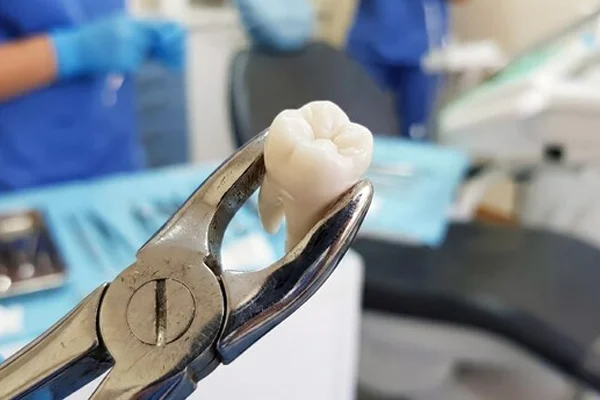
A damaged, decayed, or problematic tooth may sometimes require removal when it cannot be restored effectively. Extractions & Minor Dental Surgery in Gurgaon focuses on safely managing teeth that require removal or minor surgical procedures while prioritizing patient comfort and appropriate aftercare.
At Dental Chants Clinic, Dr. Neha Yadav provides personalized dental evaluation and treatment based on the condition of the tooth, surrounding tissues, and overall oral health. The available services include tooth extraction and alveoplasty (bone smoothing).
Tooth extraction is a dental procedure in which a tooth is carefully removed from its socket when preserving it is no longer appropriate or predictable.
Extraction may be recommended for severely damaged or decayed teeth, certain problematic teeth, or situations where removal is necessary as part of a broader treatment plan.
Whenever possible, dentists generally consider whether the natural tooth can be restored before recommending extraction.
A tooth may need to be removed when it has:
The decision is made after a thorough dental examination and, when required, diagnostic imaging.
Tooth extraction involves carefully removing a tooth that cannot be predictably restored or when removal is otherwise clinically indicated.
Before extraction, Dr. Neha Yadav evaluates the tooth and surrounding structures to determine the appropriate approach. Local anesthesia may be used to keep the procedure comfortable.
After removal, appropriate aftercare instructions are provided to support healing and reduce the risk of complications.
Alveoplasty is a minor surgical procedure used to smooth or reshape the jawbone following or in association with tooth removal when required.
It may be considered when uneven or sharp areas of bone need to be adjusted to support proper healing or prepare the area for a future dental restoration, such as a denture.
The need for alveoplasty depends on the individual clinical situation.
The affected tooth and surrounding tissues are examined to determine whether extraction is required and what treatment approach is appropriate.
Dental X-rays or other imaging may be recommended to understand the position of the tooth, roots, and surrounding structures.
Appropriate local anesthesia is administered to numb the area and help make the procedure comfortable.
The tooth is carefully loosened and removed using an appropriate technique based on its condition and position.
The area is assessed after extraction, and detailed instructions are provided regarding food, oral hygiene, medications when prescribed, and follow-up care.
Some discomfort, swelling, or mild bleeding can occur after an extraction and may gradually improve during the healing period.
Your dentist may advise you to:
If you experience severe or worsening pain, persistent bleeding, significant swelling, fever, or other concerning symptoms, contact your dentist promptly.
When extraction is clinically necessary, removing a problematic tooth may help:
The decision to extract should always be based on a professional dental evaluation.
Losing a tooth can affect chewing function and, depending on its location, the appearance of your smile. After healing, your dentist may discuss suitable tooth-replacement options when appropriate.
These may include complete dentures, partial dentures, dental bridges, or dental implants, depending on the patient's oral health and individual requirements.
Dr. Neha Yadav, Dental Surgeon, has more than 15 years of clinical experience in comprehensive dental care. She approaches every procedure with careful assessment, precision, and attention to patient comfort.
At Dental Chants Clinic, tooth extraction is recommended only after evaluating whether the natural tooth can be appropriately preserved or restored. When extraction is necessary, treatment is planned according to the individual condition of the tooth and surrounding structures.
If you have a severely damaged, decayed, fractured, or problematic tooth, delaying treatment may allow the underlying dental issue to progress. A professional dental examination can help determine whether the tooth can be restored or whether extraction is the more appropriate option.
At Dental Chants Clinic, Dr. Neha Yadav provides personalized Extractions & Minor Dental Surgery in Gurgaon, with a focus on safe treatment, patient comfort, and appropriate follow-up care.
Extraction may be recommended when a tooth is severely damaged, extensively decayed, infected, fractured, or otherwise cannot be predictably restored.
Tooth extraction is generally performed under appropriate local anesthesia to minimize discomfort during the procedure. Some soreness or swelling may occur after the anesthesia wears off.
The duration depends on the tooth's condition, position, root structure, and type of extraction required. Simple extractions may be completed relatively quickly, while more complex cases can take longer.
Soft foods are generally recommended initially. Your dentist will provide specific dietary instructions based on the procedure and your healing progress.
Initial healing generally occurs over several days, while complete healing of the extraction area takes longer. Recovery varies depending on the tooth, procedure, and individual healing.
Alveoplasty is a minor surgical procedure used to smooth or reshape areas of jawbone when clinically necessary, often following tooth removal or in preparation for certain dental restorations.
No. Alveoplasty is not required after every extraction. It is recommended only when the shape or condition of the bone makes the procedure clinically appropriate.
Yes. Depending on your oral health and individual needs, tooth-replacement options may include dentures, bridges, or dental implants.
Patients are generally advised to avoid disturbing the extraction site, smoking or tobacco, and strenuous activity for the period recommended by the dentist. Specific instructions may vary according to the procedure.
You can consult Dr. Neha Yadav at Dental Chants Clinic for evaluation and treatment of teeth that may require extraction or minor dental surgery.


Write a Reply or Comment